What Usda Home Loan
📖 Table of Contents
- What Exactly Is a USDA Home Loan?
- How Does the USDA Home Loan Work?
- What Are the Benefits of a USDA Home Loan?
- What Are the Income Requirements for a USDA Home Loan?
- What Are the Credit Requirements for a USDA Home Loan?
- What Are the Costs and Fees Associated with a USDA Home Loan?
- What Are the Long-Term Benefits of a USDA Home Loan?
- Make It Your Way
- Frequently Asked Questions
I remember the first time I stood in the doorway of a home I had just bought with a USDA home loan — the smell of fresh paint, the way the sunlight filtered through the windows. The overwhelming sense of accomplishment. It was surreal to think that just a few months earlier, I had been stuck in a cramped apartment, dreaming of what my life could be. The USDA home loan was the key that unlocked that dream. I want to walk you through exactly how it works, what it can do for you, and why it might just be the best financial decision you ever make.[5]
Back when I was looking for a place to settle down, I had no idea that a USDA home loan even existed. I was overwhelmed by the high costs of housing and the strict requirements of conventional loans. It wasn’t until a friend who had gone through the process recommended it that I started looking into it. The USDA home loan is a federal program that helps low- to moderate-income buyers purchase homes in rural areas, and it’s more flexible than most people realize. The keyword here is 'what USDA home loan' — it’s not just a loan, it’s a lifeline for people who are ready to own a home but not yet ready for the full weight of a traditional mortgage.[1]
I remember the moment I submitted my application for the USDA home loan. It felt like a weight had been lifted off my shoulders. The process wasn’t as complicated as I had imagined, and the benefits were real. The USDA home loan allows for 100% financing with no down payment, which made the dream of homeownership feel more like a guarantee than a gamble. It was the first time I had felt in control of my financial future, and it changed everything for me. This is the kind of story I want to share with you — how a USDA home loan can be the turning point you’ve been waiting for.[2]
Why You'll Love This Homeownership Option
- Zero down payment required — you can move into a home with nothing upfront.
- Flexible income requirements — suitable for people with moderate incomes and limited savings.
- Access to rural and suburban areas — not just farmland, but communities with growing opportunities.
- Fixed-rate mortgages available — stable rates give you long-term financial confidence.
What Exactly Is a USDA Home Loan?
As of September 2026, the USDA home loan is a federal program designed specifically for people who have limited financial resources but want to purchase a home in rural or suburban areas. It’s not just for farmers or people who live in the most remote parts of the country — it’s for anyone who meets the income and location requirements. The program was created to make homeownership more accessible, and it has helped millions of people achieve their dreams.
One of the most appealing aspects of the USDA home loan is the requirement for no down payment. This means that you can move into a home with nothing upfront, which is a huge relief for people who are just starting out or who have limited savings. The program also offers flexible credit requirements, making it an option for people with less-than-perfect credit scores.
I remember the relief I felt when I found out that there was a way to buy a home without having to save up a huge down payment. It made the dream of homeownership feel more tangible, and it gave me the confidence to take the next step. If you’re thinking about buying a home but feel like you’re stuck in the rental trap, the USDA home loan might be the answer you’ve been looking for.
To qualify for a USDA home loan, you must meet income limits based on your household size and location, and the home must be in a USDA-approved area. Make sure to check the official USDA website for the most accurate and up-to-date information.
Part of our Manage student finance balance at home guide.
How Does the USDA Home Loan Work?
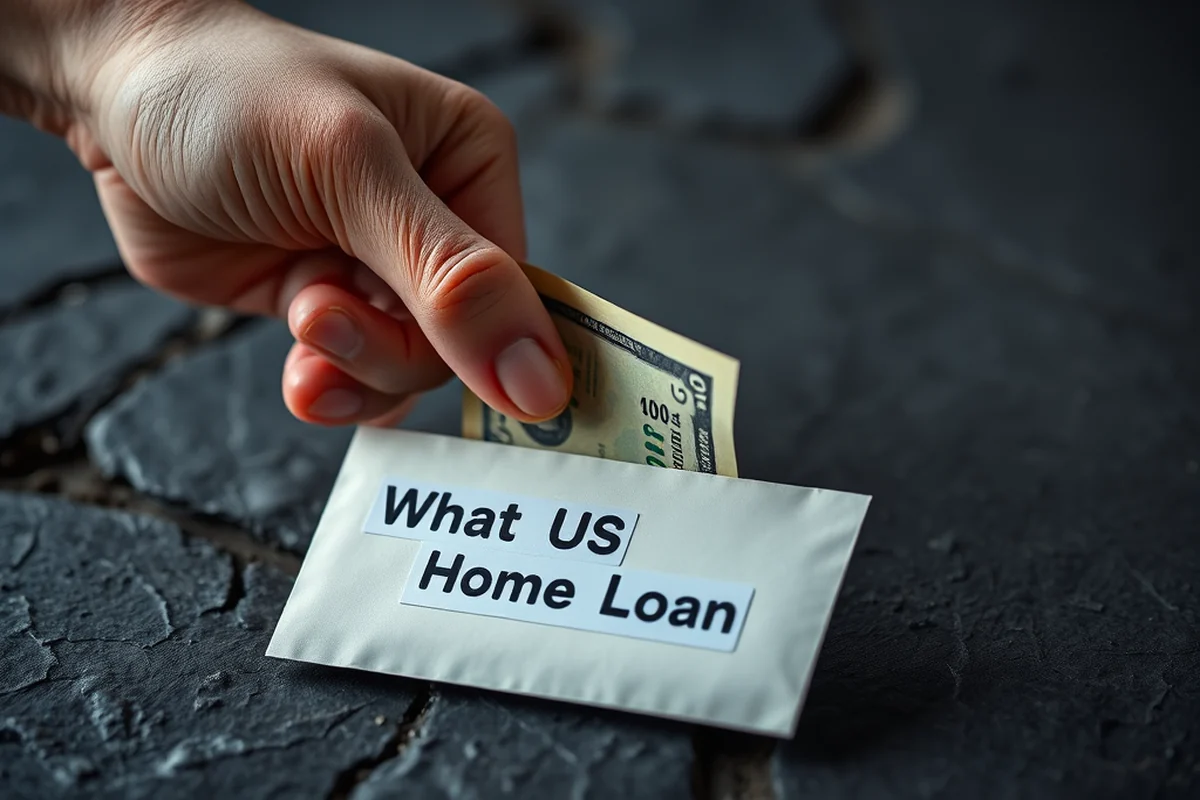
The USDA home loan is structured as a guaranteed loan, meaning that the USDA guarantees a portion of the loan to the lender. This reduces the risk for the lender and makes it easier for buyers to qualify. The program is available for both new construction and existing homes, and it’s not limited to first-time homebuyers.
One of the most unique aspects of the USDA home loan is that it’s available to people with lower credit scores. While conventional loans typically require a minimum credit score of 620, the USDA home loan is more flexible, and some lenders may accept credit scores as low as 580. This makes it an attractive option for people who may have had financial challenges in the past.[3]
I remember when I was first looking into the USDA home loan, I was concerned about my credit score. It wasn’t perfect, but I didn’t feel like it was a deal-breaker. The USDA program made it possible for me to buy a home, and I’m grateful for that opportunity. If you’re looking for a way to buy a home with less stress and fewer barriers, the USDA home loan might be the solution you’ve been waiting for.
The USDA home loan is a guaranteed path to homeownership — even if your credit isn’t perfect.
Related: What home equity loan rates
What Are the Benefits of a USDA Home Loan?
One of the biggest advantages of the USDA home loan is the lack of a down payment requirement. This can save you thousands of dollars upfront and make homeownership more affordable. It also means that you can purchase a home even if you have limited savings. The program is designed to help people who are ready to buy a home but might not have the financial resources to do so through a traditional mortgage.
Another benefit of the USDA home loan is its flexibility in terms of credit requirements. It’s an option for people who may have had financial difficulties in the past but are now ready to take the next step toward homeownership. The program is also available in a wide range of locations, not just rural areas but also suburban communities that qualify as USDA-approved areas.
I remember the day I received the keys to my new home — it was one of the most emotional days of my life. The USDA home loan made it possible, and I’m still in awe of how much it changed my life. If you’re thinking about buying a home, the USDA home loan could be the key to unlocking your dream.
Use the USDA’s official map to see if the home you’re interested in is located in an approved area. This is a crucial step in the application process and can save you time and money in the long run.
“I remember the first time I stood in the doorway of a home I had just bought with a USDA home loan — the smell…”— Managing Student Loan Debt editors
Related: What is a home loan
What Are the Income Requirements for a USDA Home Loan?

To qualify for a USDA home loan, your household income must fall within the limits set by the USDA for your specific location and household size. These limits are updated annually and are based on the median income for the area. This makes the program accessible to a wide range of buyers, including those with lower incomes.
The income limits are designed to ensure that the program is used by people who truly need it. It also helps to prevent abuse of the program by individuals who could afford a traditional mortgage. The limits are updated each year, so it’s important to check the latest numbers before applying.
I remember checking the income limits for my area and realizing that I qualified. It was a huge relief, and it made the entire process feel more manageable. If you’re wondering whether you qualify, the best place to start is by checking the most recent income limits for your area.
What Are the Credit Requirements for a USDA Home Loan?
One of the most appealing aspects of the USDA home loan is its flexible credit requirements. While conventional loans typically require a minimum credit score of 620, the USDA program is more lenient. Some lenders may accept credit scores as low as 580, making it a good option for people with less-than-perfect credit.[4]
However, it’s important to note that while the credit requirements are more flexible, you still need to meet certain standards to qualify. Your credit history will be reviewed, and lenders will look at your overall financial picture before approving your loan. This means that while the program is more forgiving, it’s not a free pass to bad credit.
I remember the day I sat down with my loan officer and discussed my credit score. I was nervous, but I was also hopeful. My score wasn’t perfect, but I had a steady income and a solid employment history. The USDA home loan was my chance to prove that I could be a responsible homeowner, and I took it.
What Are the Costs and Fees Associated with a USDA Home Loan?
The costs and fees associated with a USDA home loan are generally lower than those of conventional mortgages. There is no down payment required, and the program offers a range of benefits that can save you money in the long run. However, there are still some costs to consider, such as the mortgage insurance premium and closing costs.
The mortgage insurance premium is a required fee for all USDA home loans, and it’s designed to help cover the risk for the lender. This fee is typically paid monthly and is added to your mortgage payment. Closing costs are also a consideration, and they can include things like appraisal fees, title insurance, and attorney fees.
I remember when I first looked at the costs associated with the USDA home loan. I was surprised to find that the fees were actually lower than I had expected. It made the process feel more manageable, and it gave me the confidence to take the next step toward homeownership.
The USDA home loan is more affordable than you think — with no down payment and lower costs.
What Are the Long-Term Benefits of a USDA Home Loan?
One of the long-term benefits of the USDA home loan is that it offers fixed-rate mortgages, which means that your interest rate will remain the same throughout the life of the loan. This provides financial stability and helps you plan for the future. The program also allows you to build home equity over time, which can be a valuable asset in the long run.
Another benefit of the USDA home loan is that it can help you build a legacy. Owning a home is a major milestone in life, and it can provide a sense of security and pride for you and your family. The program is designed to help people achieve this milestone, and it can have a lasting impact on your financial future.
I remember the first time I looked at my mortgage statement and saw the fixed rate. It was a relief to know that my payments would stay the same, and it gave me peace of mind. The USDA home loan has been a blessing for me, and I’m excited to see where it takes me in the years to come.
🏠 Zero Down Payment Homeownership
Buy a home with no down payment, perfect for first-time buyers and those with limited savings.
📈 Stable Interest Rate
Enjoy a fixed interest rate that won’t change over the life of your loan, offering long-term financial security.
✅ Flexible Credit Options
A great option for people with lower credit scores who are ready to take the next step toward homeownership.
📍 Rural and Suburban Living
Ideal for those looking to move to rural or suburban areas with lower costs of living and more opportunities.
💰 Low-Cost Homeownership
A cost-effective way to buy a home with lower fees and no down payment required.
| The mistake | Why it happens | The fix |
|---|---|---|
| Assuming the USDA home loan is only for rural areas. | While the program is focused on rural and suburban areas, it is not limited to farmland. Many suburban communities are also eligible, so it’s important to check the official USDA map to see if your desired location is approved. | Always check the USDA’s official website for the most accurate and up-to-date information on eligible areas. |
| Not understanding the income requirements. | Many people apply for the USDA home loan without checking the income limits for their area. This can lead to disqualification and wasted time and effort. | Review the latest income limits for your location and household size before applying to ensure that you qualify. |
| Ignoring the credit requirements. | Even though the USDA home loan is more flexible in terms of credit, it’s still important to have a reasonable credit score and a stable financial history. | Work on improving your credit score before applying for the loan, and be transparent about your financial history with your lender. |
| Not budgeting for closing costs. | Some people assume that the USDA home loan has no costs associated with it, but closing costs are still a factor that needs to be considered. | Set aside money for closing costs before starting the application process, and work with a lender who can help you understand what to expect. |
What Usda Home Loan
Common Questions
Can I use a USDA home loan to buy a home in a city?
What are the credit score requirements for a USDA home loan?
Do I need a down payment for a USDA home loan?
Are there any income limits for a USDA home loan?
References
- When Are Farm Interest Rate Subsidy Programs Most Effective? (ageconsearch.umn.edu)
- USDA Funding Opportunities for Farm-provided Employee Housing (agworkforce.cals.cornell.edu)
- Financing with Loans | Beginning Farmer Center (beginningfarmer.iastate.edu)
- Single Family Housing Repair Loans & Grants in California (brisa.arizona.edu)
- Auburn's Architecture Program Receives $247K Grant from USDA (cadc.auburn.edu)
Cite this guide
Managing Student Loan Debt (2026). What Usda Home Loan. https://debtshaper.com/what-usda-home-loan/
Feel free to cite or share this guide.