
How To Small Loan
📖 Table of Contents
- Understanding the Basics of Small Loans
- The Four Steps to Getting a Small Loan
- Choosing the Right Lender for Your Small Loan
- How to Use a Small Loan Wisely
- The Risks of Small Loans and How to Avoid Them
- Building Credit with Small Loans
- What to Do If You Can’t Repay Your Small Loan
- Make It Your Way
- Frequently Asked Questions
I remember the day I applied for my first small loan — it was the day I realized just how much I didn’t know about the process. I was trying to fix my car, and I needed a few hundred dollars to get it back on the road. But instead of a simple solution, I was bombarded with terms like 'collateral,' 'APR,' and 'credit score.' It was confusing. I felt like I was being asked to solve a puzzle with no instructions. That experience taught me that knowing how to small loan is not just about getting money — it’s about understanding the rules of the game.[1]
When I finally figured it out, I was amazed. The process was more straightforward than I had imagined, and the amount of money I needed was manageable. I learned that small loans could be a lifeline if you knew how to handle them. Whether you’re trying to cover an unexpected expense, build credit, or start a side hustle, knowing how to small loan can make all the difference. It’s not about borrowing recklessly; it’s about borrowing wisely and with a clear plan.
Over the years, I’ve made mistakes and learned from them. I’ve seen others struggle with debt because they didn’t understand how to small loan. But I’ve also seen people take control of their finances and use small loans as a stepping stone to better financial health. If you’re reading this, you’re not alone. I’m here to walk you through the steps, the pitfalls, and the possibilities. Let’s take it one step at a time.
Why You'll Love This Approach to Small Loans
- Easy to apply for with minimal paperwork
- Lower interest rates compared to credit cards
- Helps build your credit history if managed correctly
- Provides quick access to funds when you need them most
Understanding the Basics of Small Loans
As of October 2026, Small loans typically range from $100 to $5,000, and they’re designed to be paid back quickly — usually within a few weeks to a few months. These loans are often available through online lenders, credit unions, or even some banks. The key is to find a lender that offers flexible repayment terms and doesn’t charge exorbitant fees. ($13,000, comptroller.texas.gov)[2]
One of the best things about small loans is that they can be a great way to build or rebuild your credit score. If you make your payments on time, it can help improve your credit history, which can open more doors in the future. I remember when I first used a small loan to fix my car — it was a small amount, but it helped me build credit and gave me more confidence in managing my money.
However, it’s important to be cautious. Not all small loan providers are the same. Some may charge high interest rates or hidden fees. I once tried to get a small loan from an online lender that didn’t disclose all the terms upfront. It ended up costing me more than I expected. Always read the fine print before signing any agreement.
Before agreeing to any loan terms, read through the entire agreement. Look for interest rates, fees, and repayment schedules. If something seems unclear, ask the lender for clarification.
The Four Steps to Getting a Small Loan

The first step is to research the best lenders for your situation. Look for companies that offer low interest rates, minimal fees, and flexible repayment terms. I’ve found that credit unions often provide better rates than traditional banks, but it depends on your location and financial history.[3]
Next, you’ll need to apply. Most online lenders allow you to apply in minutes, and you’ll usually need to provide some basic information like your income, employment status, and a few personal details. Be honest — if you lie, you could be denied the loan or face legal issues later on.
Once you apply, the lender will review your information and decide whether to approve you. If you’re approved, the money is usually deposited into your account within a day or two. The final step is to repay the loan on time. I always set up automatic payments to avoid late fees and to ensure I’m never surprised by an unexpected charge.
A small loan isn’t a magic fix — it’s a tool that requires responsibility.
Related: Usaa car loan rates
Choosing the Right Lender for Your Small Loan
I’ve used a few different lenders over the years, and the ones that stood out were the ones that provided clear and upfront information. If a lender is vague about interest rates or fees, it’s a red flag. I once had an experience with a lender that charged me a ‘processing fee’ after I got the loan. It was frustrating because I didn’t know about it beforehand.
Look for lenders that are licensed and regulated by your state or the federal government. This gives you a level of protection and ensures the lender is operating legally. You can check a lender’s reputation by reading reviews online or asking friends and family for recommendations.
Another thing to consider is the interest rate. A lower rate means you’ll pay less over time. I found that some credit unions offer rates as low as 6%, which is significantly lower than what I saw from some online lenders. If you’re looking for a small loan, always compare rates from multiple lenders before making a decision. (18 percent, consumerfinance.gov)[4]
Before committing to a lender, compare their rates, fees, and repayment options with at least two or three other lenders. This ensures you’re getting the best deal possible.
“I remember the day I applied for my first small loan — it was the day I realized just how much I didn’t know about…”— Managing Student Loan Debt editors
Related: What is the current interest rate for a mortgage
How to Use a Small Loan Wisely
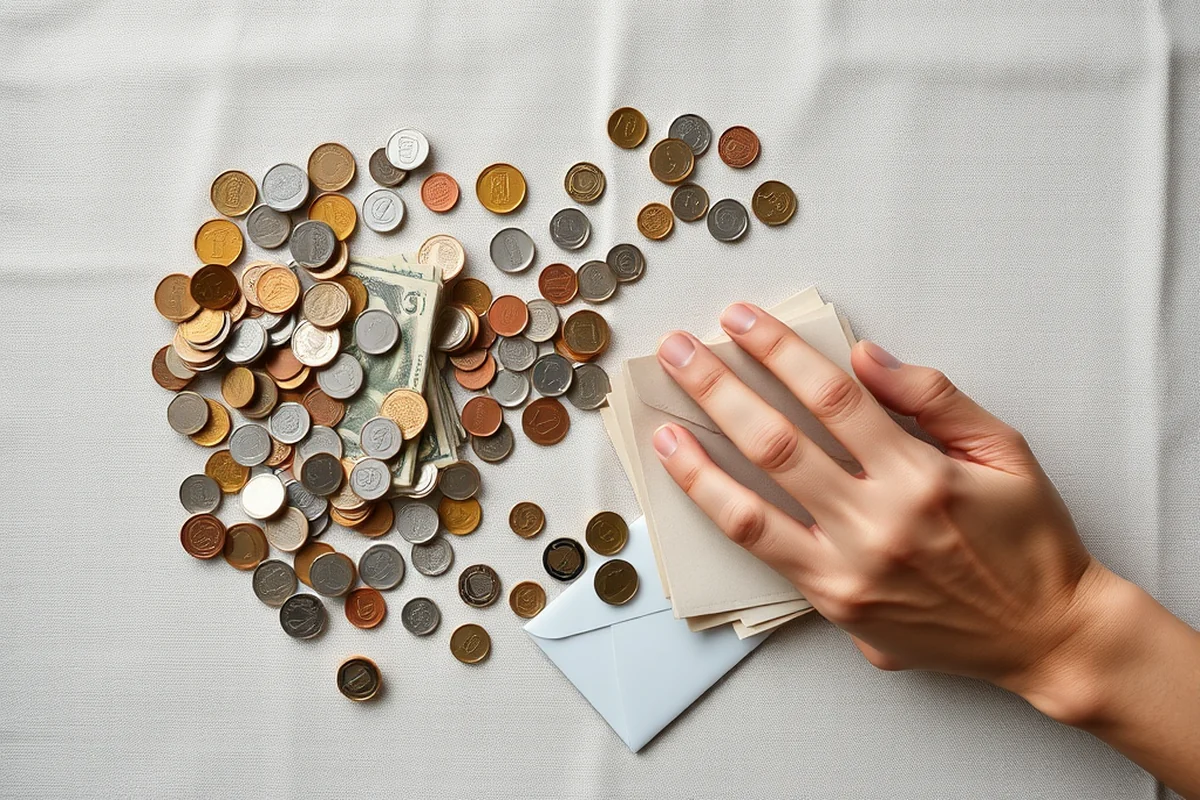
I’ve used small loans for things like car repairs, home maintenance, and even a quick trip to the doctor. The key is to use the money for something that improves your life or helps you avoid bigger financial problems down the line. For example, I once used a small loan to replace my car’s brakes — it was a short-term expense that saved me from a potential accident.
If you use a small loan for something unnecessary, like a vacation or a new phone, you could end up in a worse financial position. I made that mistake once, and it taught me a valuable lesson. I had to pay back the loan quickly, and it caused some stress in my budget for a few months.
Always be clear on how you’re going to repay the loan. Set aside a portion of your income each month to ensure you’re not caught off guard. I always allocate a specific amount to my loan repayments so I know exactly how much I need to save each week.
Related: What is refinancing student loans
The Risks of Small Loans and How to Avoid Them
One of the biggest risks I’ve seen is people taking out multiple small loans at once, which can lead to a debt cycle. I know someone who used small loans to pay off previous small loans, and it ended up costing them thousands of dollars in interest over time. It’s a dangerous path that can be hard to escape.
Another risk is not understanding the terms of the loan. If you don’t read the fine print, you might end up with fees or interest rates that are much higher than you expected. I once had a lender who charged me a ‘late fee’ just for being a few minutes late on a payment, even though I had a good history with them.
To avoid these risks, always make sure you understand the terms of the loan before signing anything. If you’re unsure about something, ask the lender for clarification. It’s also a good idea to only take out a small loan when you’re absolutely sure you can repay it on time.
Related: Cash out refinance
Building Credit with Small Loans
I’ve used small loans as a way to build my credit, and it’s worked well for me. When I made my payments on time, my credit score increased over time. I even noticed that some lenders began offering me better terms after I had a couple of successful loan repayments.
The key to using small loans for credit building is to always make your payments on time. Late payments can hurt your credit score and make it harder to get loans in the future. I once had a small loan that I missed a payment on, and it cost me several points on my credit score. That was a hard lesson to learn.
If you’re looking to build credit, start with small loans and keep track of your payments. You can also use tools like credit monitoring services to see how your score is changing over time. I’ve found that staying on top of my credit score has made a huge difference in my financial life.
Your credit score is a reflection of your financial habits — treat it with care.
Related: How best place to get a personal loan
What to Do If You Can’t Repay Your Small Loan
I’ve known people who struggled to repay their small loans and ended up in a worse financial situation. The key is to be proactive and not ignore the problem. If you know you’re going to miss a payment, contact your lender as soon as possible. Many lenders are willing to work with you to find a solution.
Some lenders offer options like deferment, where you can pause your payments for a short period. Others may allow you to pay in smaller installments. I once had a lender who let me make payments over a few months instead of all at once, which helped me avoid late fees and keep my credit score from dropping.
It’s also a good idea to look for alternatives, like a budgeting tool or a financial advisor, to help you manage your money better. I’ve used budgeting apps to track my expenses and make sure I’m always on top of my payments. It’s a small investment that can pay off in the long run.
💰 Budget-Friendly Small Loan
Perfect for those on a tight budget, this plan focuses on low interest rates and minimal fees to keep your costs low.
🚀 Aggressive Payoff Plan
Ideal for those who want to pay off their small loan quickly, this plan includes strategies for accelerating repayments.
💸 Irregular Income Plan
Designed for people with unpredictable income, this plan offers flexible repayment schedules and alternative payment methods.
👫 Couples’ Small Loan Plan
A joint plan that allows couples to share the responsibility of repaying a small loan and build credit together.
🎓 Beginner-Friendly Plan
A simple, easy-to-follow plan for first-time borrowers who are new to the small loan process.
| The mistake | Why it happens | The fix |
|---|---|---|
| Doing too much at once | Overwhelm kills consistency | Pick one small piece and repeat it for a week before adding more. |
| Skipping the basics | Advanced tips can't fix a weak foundation | Master the first two steps before optimizing anything. |
How To Small Loan
Common Questions
What should I do if I can’t repay my small loan?
Can I use a small loan to build my credit?
What are the risks of taking out a small loan?
How can I find the best small loan lender?
References
- Supervisory Stress Test Documentation Credit Risk Models (federalreserve.gov)
- Microfinance Makes Big Impact Small Loans Help Business Grow (comptroller.texas.gov)
- Prepare a Loan Application | Business.NJ.gov (business.nj.gov)
- Credit card data: Small issuers offer lower rates (consumerfinance.gov)
Cite this guide
Managing Student Loan Debt (2026). How To Small Loan. https://debtshaper.com/how-to-small-loan/
Feel free to cite or share this guide.