
3 Effective Techniques For Managing Student Loan Debt Comparison
📖 Table of Contents
- Understanding the Basics of Student Loan Comparison
- Creating a Personalized Repayment Strategy
- Leveraging Student Loan Refinancing and Consolidation
- Making the Most of Income-Driven Repayment Plans
- Automating Your Payments for Better Financial Habits
- Building an Emergency Fund While Paying Off Loans
- Staying Informed and Seeking Help When Needed
- Make It Your Way
- Frequently Asked Questions
I remember the day I got my first student loan payment due date — it felt like a slap in the face. I was fresh out of school, barely making ends meet, and suddenly faced with a bill that felt impossible to pay. It wasn’t just about the money; it was the weight of uncertainty that came with it. That’s when I realized I needed to find a way to manage my student loan debt comparison effectively, and I’m not alone in this journey. Many of us are dealing with the same problem, and that’s why understanding the nuances of managing student loan debt comparison is so critical.
Student loan debt is no longer just a burden for recent graduates; it’s an issue that spans across decades. I’ve spoken to people in their 40s, 50s, and even 60s who still struggle with their debt. It’s a problem that requires a tailored approach and a deep understanding of the available options. That’s where the concept of managing student loan debt comparison comes in — it’s not about choosing the cheapest option. Finding the one that aligns with your financial goals, lifestyle, and overall well-being.
Through trial and error, I learned that managing student loan debt comparison isn’t a one-size-fits-all solution. It’s a process that requires patience, strategy, and a willingness to adapt as your financial situation changes. Whether you’re trying to pay off your loans faster, lower your monthly payments, or simply avoid defaulting, the right approach can make all the difference. The key is to find techniques that work for you — and that’s exactly what this article is about.
Why You'll Love This Strategy
- Gain clarity on how to choose between different loan repayment plans
- Save money in the long run by making informed decisions
- Reduce stress by having a clear, actionable plan
- Avoid common pitfalls that lead to financial strain
Understanding the Basics of Student Loan Comparison
As of September 2026, when I first started comparing my student loans, I didn’t know where to begin. I was overwhelmed by the sheer number of repayment plans, interest rates, and loan forgiveness programs. It wasn’t until I sat down with a financial advisor and walked through each option that things started to make sense. Understanding the basics is the first step toward managing student loan debt comparison effectively.
Interest rates are one of the most critical factors in any loan comparison. A 1% difference in interest rate over a 20-year period can save you thousands of dollars. I learned this the hard way when I chose a loan with a slightly lower monthly payment but a higher interest rate. It didn’t seem like a big deal at the time, but over time, it added up.[1]
Loan forgiveness programs are another key consideration. I was unaware of the Public Service Loan Forgiveness (PSLF) program until I was years into my repayment period. It’s essential to research these programs early on, as they can significantly reduce your overall debt burden.[2]
Before making any decisions, take the time to explore all available repayment plans and forgiveness programs. This will help you make a more informed choice that aligns with your financial goals.
Part of our How to 3 effective techniques for managing student loan debt guide.
Creating a Personalized Repayment Strategy
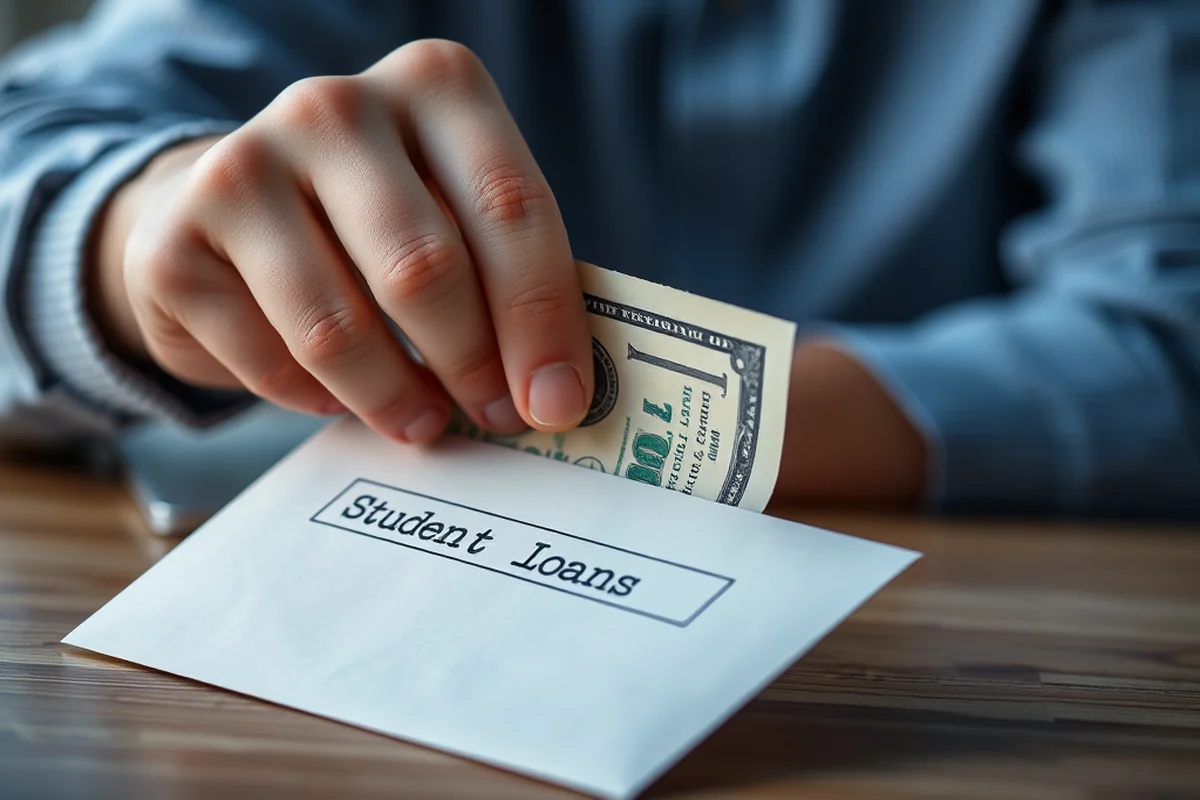
When I first started creating a repayment strategy, I realized that there was no one-size-fits-all approach. My income, debt amount, and financial goals were all different from others I knew. That’s why I decided to map out my income and expenses first, which gave me a clearer picture of how much I could realistically allocate toward my loans each month.
One of the most helpful tools I found was the federal student aid website. Allows you to input your loan details and see how different repayment plans would impact your monthly payments and total interest paid. I used this tool repeatedly as my financial situation evolved, which made it easier to adjust my strategy as needed.
It’s also important to consider how your repayment strategy might change over time. For example, if you expect a raise or a career change in the next few years, you might want to choose a plan that allows for more flexibility.
Your repayment strategy should be as unique as your financial situation.
Related: 3 effective techniques for managing student loan debt step by step
Related: Managing student loan uk vs
Related: Top 3 effective techniques for managing student loan debt
Leveraging Student Loan Refinancing and Consolidation
I refinanced my student loans about two years after graduation, and it was one of the best decisions I made. My interest rate dropped from 6.5% to 4.2%, which significantly reduced my monthly payments and the amount of interest I would pay over the life of the loan. However, it’s important to understand that refinancing federal loans with a private lender can mean losing access to certain benefits, like income-driven repayment plans and loan forgiveness programs.[3]
Consolidation is another option that I explored. It involves combining multiple loans into a single loan with a fixed interest rate. This simplified my payments and allowed me to focus on paying off a single loan instead of multiple ones. However, I also learned that consolidation can sometimes result in a higher interest rate, so I made sure to compare my options carefully.
Before deciding to refinance or consolidate, it’s crucial to evaluate your long-term goals. If you plan on qualifying for loan forgiveness in the future, refinancing might not be the best option. It’s a decision that should be made with careful consideration and a clear understanding of the pros and cons.
Before refinancing or consolidating, take the time to evaluate your long-term financial goals and how each option might impact them. This will help you make a more informed decision.
“I remember the day I got my first student loan payment due date — it felt like a slap in the face.”— Managing Student Loan Debt editors
Related: Gov uk managing student loan for beginners
Related: How to managing student loan uk
Making the Most of Income-Driven Repayment Plans

When I first heard about income-driven repayment (IDR) plans, I was skeptical. I didn’t think my income was low enough to qualify, but I was surprised to find out that I did meet the criteria. These plans base your monthly payments on your income and family size, which can be a huge relief for those struggling to make ends meet.
One of the biggest benefits of IDR plans is that they can significantly reduce your monthly payments. For example, under the Pay As You Earn (PAYE) plan, your payments can be as low as 10% of your discretionary income. This made it much easier for me to manage my payments while still living within my means.[4]
It’s also important to understand that after a certain number of years, any remaining debt can be forgiven. This is a key consideration for those who are committed to paying off their loans but may not have the means to do so quickly. I made sure to keep track of my payments and the forgiveness timeline to avoid missing any important deadlines.
Related: Managing student loan balance for beginners
Related: 3 effective techniques for managing student loan debt checklist
Automating Your Payments for Better Financial Habits
I used to struggle with remembering to make my student loan payments on time. I was constantly worried about missing a payment and ending up with late fees or a negative impact on my credit score. That’s when I decided to set up automatic payments, and it made a world of difference.
Automating your payments ensures that you never miss a due date, which can help you avoid late fees and keep your credit score intact. I found that even a small automatic payment each month helped me build a habit of consistent repayment, which was essential for managing my loans effectively.
Another benefit of automation is that it can help you save money in the long run. Many lenders offer a small interest rate reduction for those who set up automatic payments. I didn’t think it would make much of a difference, but over time, it added up to a significant amount.
Related: Managing student debt
Related: Why 3 effective techniques for managing student loan debt
Building an Emergency Fund While Paying Off Loans
I had always heard that having an emergency fund was important, but I didn’t prioritize it until I realized how quickly unexpected expenses could derail my financial plan. I learned the hard way when my car broke down and I had no savings to cover the repair costs. That experience taught me the importance of building a financial cushion.
Starting an emergency fund while paying off student loans might seem challenging, but it’s actually a smart move. Even a small amount, like $500, can help you avoid relying on credit cards or taking on additional debt during an emergency. I started by allocating a small portion of my monthly income toward my emergency fund, which grew over time.[5]
It’s also important to keep your emergency fund separate from your student loan payments. This way, you can ensure that you’re not using your emergency savings to cover your loan payments, which can put you in a precarious financial situation if unexpected expenses arise.
An emergency fund is your financial safety net — don’t skip it.
Related: 3 effective techniques for managing student loan debt ideas
Related: Managing student loan debt not working
Staying Informed and Seeking Help When Needed
I used to think that managing my student loans was something I had to do on my own, but I quickly realized that I needed to seek help from experts. I reached out to a financial advisor, who helped me understand my loan options and create a more structured repayment plan. This was a game-changer for me and made the process much less overwhelming.
There are also many resources available online that can help you manage your student loans. I found several websites and forums where people shared their experiences and offered advice on the best ways to manage their debt. It was reassuring to know that I wasn’t alone in this journey.
Staying informed about changes in student loan policies and repayment plans is also important. I made it a habit to check in with my lender regularly and stay up-to-date on any new programs or changes in the landscape. This helped me make informed decisions and stay ahead of any potential issues.
💰 Tight Budget Strategy
For those with limited income, this strategy focuses on minimizing monthly payments while still making progress toward debt reduction.
⚡ Aggressive Payoff Plan
Ideal for those who want to pay off their student loans as quickly as possible, this plan involves making larger payments and focusing on high-interest loans first.
📈 Irregular Income Approach
Designed for individuals with fluctuating income, this approach uses flexible repayment plans and budgeting techniques to manage debt effectively.
👫 Couples' Debt Management
This strategy helps couples navigate student loan debt together, whether they have joint or separate loans, and create a repayment plan that works for both.
📚 Beginner's Guide
A simple, step-by-step approach for those new to managing student loans, focusing on the basics and building a solid foundation.
| The mistake | Why it happens | The fix |
|---|---|---|
| Ignoring loan forgiveness programs | Many borrowers miss out on loan forgiveness programs because they don’t understand the requirements or are unaware of the options available to them. | Research available forgiveness programs and speak with a financial advisor to see if you qualify. |
| Choosing the wrong repayment plan | Selecting a repayment plan that doesn’t align with your financial situation can lead to unnecessary stress and financial strain. | Take the time to explore different repayment plans and choose one that fits your income and long-term goals. |
| Failing to build an emergency fund | Without an emergency fund, unexpected expenses can derail your repayment plan and lead to financial stress. | Start by setting aside a small amount each month and gradually build up to a more substantial emergency fund. |
| Not seeking help when needed | Trying to manage student loan debt on your own can be overwhelming and lead to poor financial decisions. | Consult a financial advisor or reach out to your lender for guidance and support. |
3 Effective Techniques For Managing Student Loan Debt Comparison
Common Questions
What should I do if I can’t afford my monthly student loan payments?
Can I consolidate my federal and private student loans?
How do I qualify for loan forgiveness programs?
What are the benefits of refinancing my student loans?
References
- The Long-Term Effects of Student Loans | ACE Blog (ace.edu)
- Debt Management – Student Financial Aid - Clemson University (clemson.edu)
- Debt Management | Financial Aid - SUNY Downstate (downstate.edu)
- WIndicators Volume 3, Number 1: Student Loan Debt: A Challenge ... (economicdevelopment.extension.wisc.edu)
- Managing Debt - MUSC Education (education.musc.edu)
Cite this guide
Managing Student Loan Debt (2026). 3 Effective Techniques For Managing Student Loan Debt Comparison. https://debtshaper.com/3-effective-techniques-for-managing-student-loan-debt-comparison/
Feel free to cite or share this guide.