
Current Interest Rates For Car Loans
📖 Table of Contents
- What Are the Current Interest Rates for Car Loans?
- How Do Interest Rates Affect Your Car Loan Payments?
- How to Get the Best Interest Rate for Your Car Loan
- The Impact of the Economy on Car Loan Rates
- The Role of Credit History in Car Loan Rates
- How to Negotiate a Better Interest Rate
- What to Do If You’re Getting a Higher Than Expected Rate
- Make It Your Way
I remember the day I stood in a car dealership, heart pounding, eyes scanning the price tags and interest rate disclosures like they might change before I blinked. I was buying my first car, and the numbers on the screen felt like they were written in a language I didn’t understand. What were these ‘current interest rates for car loans’ really telling me? I had no idea how much I’d pay over time, or why one rate was better than another. That confusion stuck with me until I finally took the time to research and understand what those numbers really meant. For anyone else in that same boat, I hope this article helps you handle the world of car loan interest rates with confidence.
Today, I want to talk about the current interest rates for car loans—not just the numbers, but what they mean for your wallet. Interest rates can feel abstract, like they’re not directly impacting your daily life. But when you’re financing a car, the rate you get can make or break your budget. I’ve seen people choose the wrong rate and end up paying thousands more in interest over the life of the loan. That’s why it’s so important to understand the rates, how they’re calculated, and how you can negotiate better terms.
In this article, I’ll walk you through exactly what the current interest rates for car loans are, how they’ve changed over the last few years. How to use that information to your advantage. I’ll share my own experience, the mistakes I made, and the lessons I learned. Whether you’re a first-time buyer or someone looking to refinance, this guide will give you the tools you need to make smart, informed decisions about your next car loan.
Why You'll Love This Guide to Current Interest Rates for Car Loans
- You’ll learn how to read and compare interest rates like a pro.
- You’ll discover how different rates affect your monthly payment and total cost.
- You’ll get tips on negotiating better rates with lenders.
- You’ll avoid costly mistakes that other drivers have made.
What Are the Current Interest Rates for Car Loans?
As of October 2026, the current interest rates for car loans vary depending on several factors, including your credit score, the type of car you're buying, and the lender you choose. According to data from the Federal Reserve, as of early 2025, the average interest rate for a new car loan ranges between 4.5% and 5.5%, while used car loans typically fall between 6% and 7.5%. These rates are influenced by the overall economy, inflation, and the Federal Reserve's benchmark interest rates.[1]
If you have a credit score of 700 or above, you might be able to qualify for lower rates, sometimes as low as 3.5% for new cars. However, if your credit score is lower, you may be stuck with higher rates. I remember when I first bought my car with a credit score in the 600s; I was surprised to see that my rate was over 7%, even for a used car. That made a huge difference in my monthly payments. ($20,000, par.nsf.gov)[2]
Interest rates for car loans aren’t static. They change based on economic conditions, and over the past few years, they’ve fluctuated significantly. In 2020, rates were extremely low, but as inflation picked up in 2021 and 2022, rates climbed. If you’re considering a car loan now, it’s a good idea to compare offers from multiple lenders and check your credit score before you start shopping. (2.7 percent, federalreserve.gov)[3]
Your credit score plays a major role in the interest rate you’ll be offered. Before you start looking for a car, pull your credit report for free from AnnualCreditReport.com and check for any errors or discrepancies.
Part of our Managing my student loan tips guide.
How Do Interest Rates Affect Your Car Loan Payments?
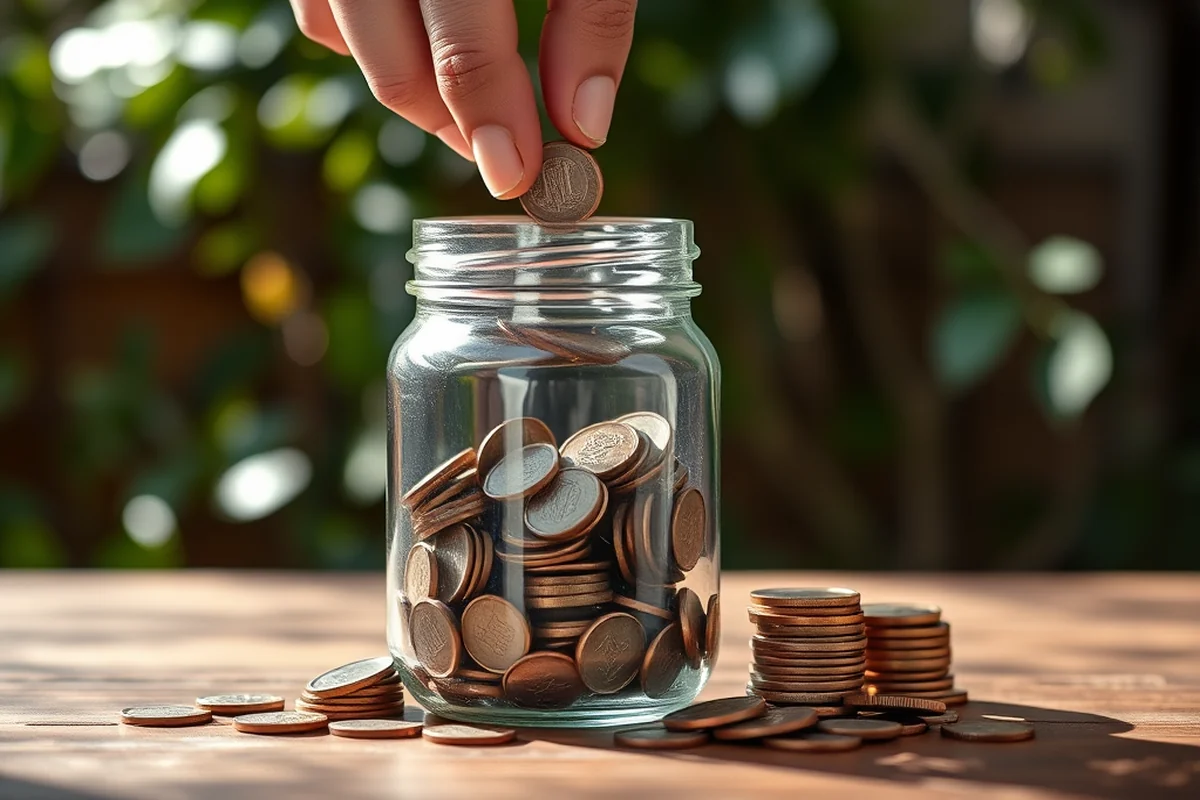
The interest rate you get for your car loan directly affects both your monthly payment and the total amount you’ll pay over the life of the loan. For example, if you take out a $25,000 loan at 5% interest over 60 months, your monthly payment would be around $472, and you’d pay about $3,600 in interest over five years. If the rate were 7%, your monthly payment would jump to around $518, and you’d end up paying about $5,100 in interest.
I once compared two loan offers for the same car and realized the difference in interest rates over five years could add up to over $2,000. That made me rethink my budget and consider a longer loan term or a higher down payment. The impact of a few percentage points in interest rates can be significant, especially over a longer repayment period.
It’s also important to understand how the loan term affects your payments. Shorter terms usually come with lower total interest but higher monthly payments, while longer terms lower your monthly payments but increase the total interest paid. If you’re planning to buy a car, it’s a good idea to run the numbers for different interest rates and loan terms to find the best fit for your budget.
A 2% difference in interest rates can save you thousands over the life of your loan.
Related: Managing student loan mistakes
How to Get the Best Interest Rate for Your Car Loan
Getting the best interest rate for your car loan starts with improving your credit score. If your score is below 650, you may be limited in the options available to you. I remember when I took steps to improve my credit—paying bills on time, reducing debt. Avoiding new credit applications—and within a few months, my score increased enough to qualify for a lower interest rate.
Another key factor in securing a lower interest rate is making a larger down payment. The more you put down, the lower the loan-to-value ratio, which can lead to a better rate. Even a small down payment can make a difference. I was able to negotiate a slightly better rate when I put down 10% instead of the usual 5%.
Shopping around for the best rates is also crucial. Different lenders have different criteria and rates. I made the mistake of only speaking to one dealer and ended up with a higher rate than I could have gotten if I had compared offers from multiple lenders. Always get at least three different quotes and compare them carefully.
While the interest rate is important, you should also look at other fees such as loan origination fees, prepayment penalties, and other hidden costs. A lower interest rate may come with higher fees that could offset the savings.
“I remember the day I stood in a car dealership, heart pounding, eyes scanning the price tags and interest rate disclosures like they might change…”— Managing Student Loan Debt editors
Related: Managing your student loan balance examples
The Impact of the Economy on Car Loan Rates

The economy has a direct impact on car loan rates, with inflation and the Federal Reserve’s interest rate policies being the two biggest factors. When the economy is strong and inflation is low, interest rates tend to be lower. However, when inflation rises, the Federal Reserve may raise rates to cool down the economy, which in turn affects car loan rates.
Over the past few years, we’ve seen a significant increase in interest rates due to rising inflation. In 2020, rates were at historic lows, but as the economy recovered from the pandemic, the Federal Reserve began increasing rates in 2022 and 2023. This had a direct impact on car loan rates, which went up significantly in that period. If you’re planning to buy a car now, it’s important to be aware of the current economic climate and how it might affect your loan terms.
I remember when I first saw interest rates rise by over 2% in a short period. It made me realize just how much the economy can influence the cost of financing a car. If you’re considering a car loan, it’s a good idea to keep an eye on economic trends and rate changes so you can time your purchase wisely.
Related: Managing your student loan balance step by step
The Role of Credit History in Car Loan Rates
Your credit history plays a major role in the interest rate you’ll be offered for a car loan. Lenders use your credit report to assess your risk as a borrower. If you have a history of late payments, defaults, or high credit utilization, you may be offered a higher rate. On the other hand, a good credit history with a high credit score can get you a lower rate.
I had a friend who had a history of missed payments and was denied a car loan altogether. Another friend with a clean credit history was able to get a rate that was over 2% lower than mine. It’s a stark reminder of how much your credit history can affect your loan terms. If you have a poor credit history, it’s a good idea to work on improving it before applying for a car loan.
There are also alternatives for people with bad credit, such as subprime lenders, but these often come with higher interest rates and additional fees. If you’re planning to get a car loan, it’s important to understand how your credit history affects your options and take steps to improve your credit before applying.
Related: What is the best loan rates
How to Negotiate a Better Interest Rate
Negotiating a better interest rate on your car loan is possible if you know how to approach lenders and are prepared with your financial information. I remember when I went back to the dealership I had previously purchased my car from and asked for a lower rate based on my improved credit score. To my surprise, they were willing to adjust the rate slightly and even offered me a better term.
When negotiating, it’s important to be informed about the current interest rates and what your credit score is worth. If you have a strong credit history, you can use that as use. I also found that being willing to walk away from a deal can sometimes make a lender more willing to offer you a better rate.
Another tip I’ve found useful is to ask for the lowest available rate based on your credit profile. Lenders may be willing to offer you a slightly lower rate if they know you’re a good customer and have the potential to return for future financing. It’s always worth asking and being persistent in your negotiations.
Don’t be afraid to ask for a better rate—it could save you thousands.
Related: Upstart personal loans
What to Do If You’re Getting a Higher Than Expected Rate
If you’re being offered a higher than expected rate for your car loan, it’s important not to panic. There are several steps you can take to improve your situation. First, double-check your credit score to make sure there are no errors or discrepancies that could be affecting your rate. Even a small error on your credit report can have a big impact on the rate you’re offered.
Another step is to shop around with multiple lenders to see if you can get a better rate elsewhere. I’ve found that different lenders have different criteria and rates, so it’s worth comparing offers before you commit to a loan. I once had a lender offer me a rate that was 1.5% higher than another lender, simply because they had a different credit model.
You can also consider making a larger down payment or adding a co-signer if possible. A co-signer with a good credit history can help you qualify for a lower rate, but it’s important to understand the risks involved. If you’re struggling to get a better rate, it’s always worth exploring your options and considering alternative financing methods.
💰 Budget-Friendly Plan
This plan is ideal for those on a tight budget. Focus on improving your credit score and securing a lower interest rate by making a down payment and shopping around.
🚀 Aggressive Payoff Plan
This plan is for those who want to pay off their car loan as quickly as possible. Consider shorter loan terms and higher monthly payments to reduce interest costs.
📈 Irregular Income Plan
This plan is for those with irregular income or who are self-employed. Look for lenders that offer flexible payment terms and consider a longer loan term to manage cash flow.
🤝 Co-Signer Plan
This plan involves using a co-signer with a good credit history to help secure a lower interest rate. Be sure to understand the risks and responsibilities involved.
| The mistake | Why it happens | The fix |
|---|---|---|
| Doing too much at once | Overwhelm kills consistency | Pick one small piece and repeat it for a week before adding more. |
| Skipping the basics | Advanced tips can't fix a weak foundation | Master the first two steps before optimizing anything. |
Current Interest Rates For Car Loans
References
- Chapter 28B.93 RCW: - Washington State Government (app.leg.wa.gov)
- Real Effects of Search Frictions in Consumer Credit Markets (par.nsf.gov)
- Comments on Regulatory Capital Rule: Large Banking ... (federalreserve.gov)
Cite this guide
Managing Student Loan Debt (2026). Current Interest Rates For Car Loans. https://debtshaper.com/current-interest-rates-for-car-loans/
Feel free to cite or share this guide.